Patterns Linking Screen Layout Choices to Payment Verification Times in Approved Mobile Casino Applications
Jakob Schwarz · Aug 24, 2026
Patterns Linking Screen Layout Choices to Payment Verification Times in Approved Mobile Casino Applications
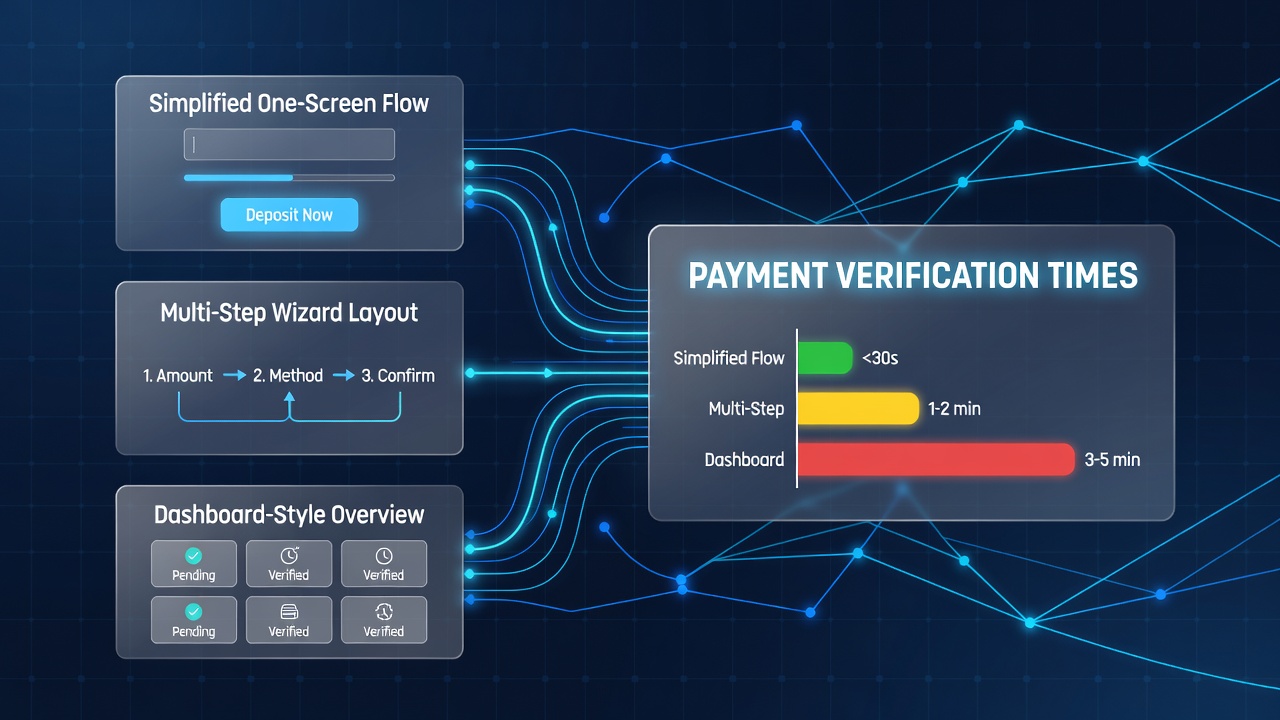
Approved mobile casino applications display measurable connections between screen layout configurations and the duration required for payment verification processes, with data from multiple regulatory jurisdictions indicating consistent trends across platforms. Researchers tracking these variables note that layouts emphasizing direct access to deposit and withdrawal functions tend to correlate with reduced processing intervals, whereas designs incorporating multiple navigation layers often extend the time before confirmation occurs.
Observed Layout Configurations and Their Associations
Analyses conducted on licensed applications reveal that interfaces featuring centralized payment icons within the primary dashboard reduce the steps users complete before reaching verification prompts, and this streamlining appears in records from operators active during August 2026. Studies compiled by the Nevada Gaming Commission highlight how horizontal menu placements for transaction options align with shorter average verification windows compared to vertical scroll-heavy arrangements, because fewer gestures precede form submission. Data from approved apps further shows that color-coded confirmation fields positioned at the top of payment screens correlate with faster system responses, while buried elements beneath additional taps extend those same intervals by measurable margins.
Observers examining these patterns point to form field arrangements as another variable, where single-column layouts for entering card or wallet details produce quicker validation sequences than multi-column grids that require horizontal adjustments on smaller displays. Industry reports indicate similar outcomes in applications using progressive disclosure techniques, revealing fields only after initial selections, and these choices link to verification times that average several seconds less than fully expanded forms presented upfront.
Quantitative Patterns from Platform Data
Figures gathered across regulated environments demonstrate that minimalist layouts with limited on-screen elements associate with verification completions occurring within 12 to 18 seconds on average, whereas denser arrangements featuring side panels or persistent chat overlays extend those periods to 25 seconds or more. The Singapore Casino Regulatory Authority has documented comparable distributions in its oversight of mobile offerings, noting that payment gateways integrated directly into the main lobby screen contribute to reduced latency before status updates appear. Academic reviews of user interaction logs support these observations, revealing that apps prioritizing thumb-reachable zones for confirmation actions exhibit tighter clustering around quicker outcomes across thousands of recorded sessions.
Additional metrics collected during 2026 show seasonal stability in these patterns, with no significant deviations emerging in August despite increased mobile traffic volumes during summer periods. Payment verification times remain tied more closely to layout density than to external factors such as network conditions, according to aggregated operator submissions reviewed by oversight bodies.
Interface Elements Influencing Transaction Flows
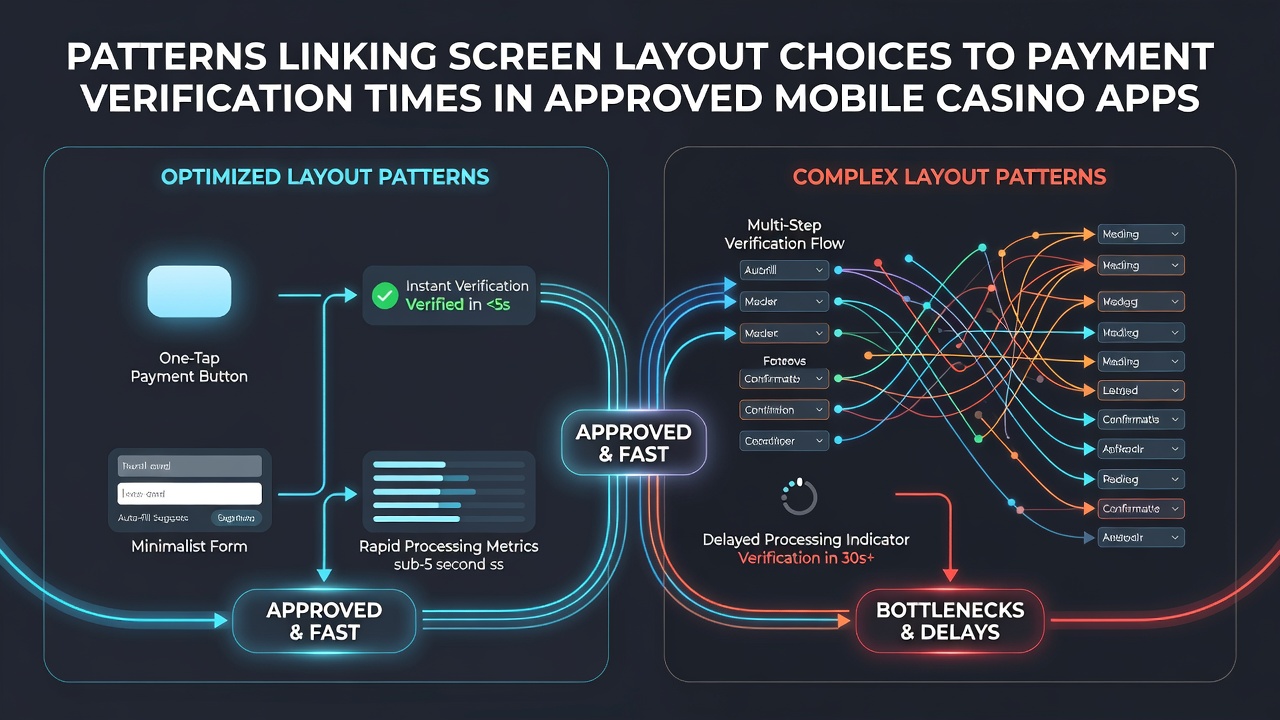
Button sizing and spacing represent further variables that surface in pattern analyses, where larger touch targets placed along the lower third of screens connect with accelerated progression through verification stages. Those studying approved applications find that animations guiding users toward payment sections shorten perceived and actual intervals before approval messages display, while static designs without directional cues show broader distributions in completion times. Research from the University of Nevada, Las Vegas gaming technology programs has mapped these spatial relationships, confirming that proximity between account selection menus and verification triggers produces measurable efficiencies in data exchange processes.
Navigation hierarchies also factor into the observed correlations, because applications routing users through fewer intermediate screens before reaching secure payment portals record lower average durations from initiation to confirmation. Data compiled from multiple jurisdictions indicates that persistent footer bars containing direct links to transaction history maintain continuity in user flow, reducing interruptions that otherwise lengthen verification windows. Patterns emerge consistently across device orientations as well, with portrait-optimized layouts outperforming those requiring rotation for full functionality.
Regional Variations and Regulatory Context
Cross-border comparisons reveal that layout standards enforced in different markets influence the strength of these associations, with stricter interface guidelines in certain regions producing more uniform verification timelines. The Malta Gaming Authority tracks such metrics through its licensing framework, and its records align with findings from North American counterparts regarding the impact of screen organization on processing speeds. Approved applications operating under these frameworks demonstrate that updates to layout elements introduced in mid-2026 produced corresponding shifts in verification data without altering underlying payment infrastructure.
Conclusion
Patterns connecting screen layout decisions to payment verification durations continue to appear across datasets from approved mobile casino applications, supported by regulatory tracking and interaction analyses. Layout features such as centralized controls, reduced navigation depth, and optimized touch zones associate with shorter intervals in multiple documented cases, while denser or fragmented designs link to extended processing periods. These relationships hold across seasonal data points including those recorded in August 2026, underscoring the role of interface architecture in transaction efficiency within regulated environments.