Mapping Demographic Influences on Game Format Preferences Within Certified Digital Casino Ecosystems
Felix Keller · Aug 19, 2026
Mapping Demographic Influences on Game Format Preferences Within Certified Digital Casino Ecosystems
Certified digital casino ecosystems track player interactions across regulated platforms where demographic factors shape selections between slots, table games, live dealer options, and RNG formats, and data from August 2026 shows clear patterns emerging from certified operators in multiple jurisdictions. Researchers analyzing aggregated user metrics note that age cohorts drive distinct preferences while certification standards ensure consistent reporting across state lines and international borders.
Age-Based Patterns in Game Format Selection
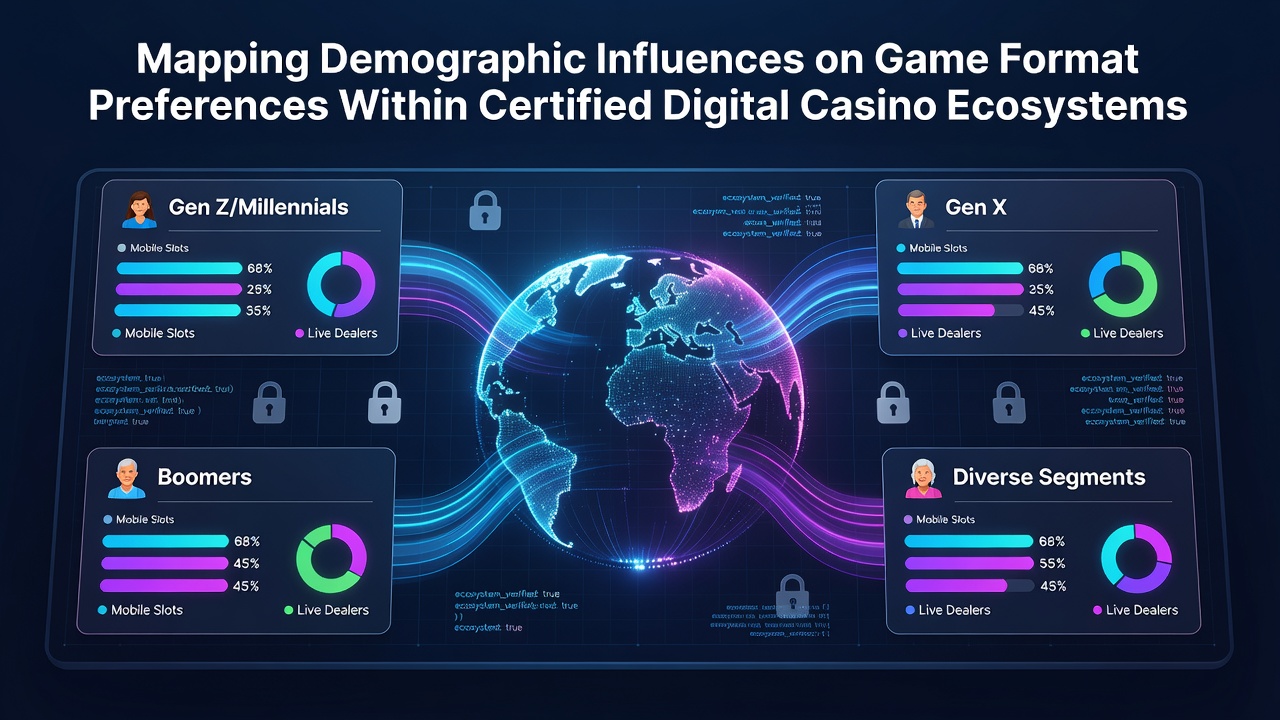
Players aged 21 to 34 gravitate toward mobile-optimized slots and quick-play RNG tables according to transaction logs from certified platforms, whereas those aged 35 to 54 show higher engagement with live dealer blackjack and roulette sessions that incorporate timed incentives. Data collected through verified systems reveals that participants over 55 maintain steadier participation in progressive jackpot formats when deposit reward structures align with certification timelines, creating longer session durations on desktop interfaces. Observers note these divisions hold steady across platforms operating under uniform approval standards even as mobile access expands.
Gender Distributions and Format Engagement
Studies tracking certified environments indicate female players allocate more playtime to video slot themes with narrative elements while male cohorts register elevated activity in poker variants and sports-adjacent table options. Certification requirements mandate transparent tracking of these trends, allowing operators to adjust welcome offer deployment without altering core mechanics. Figures from multiple operators demonstrate that gender-linked preferences persist regardless of deposit speed variations, though live table selections increase when verification processes complete within set regulatory windows.
Income Levels and Accessibility Factors
Higher-income brackets correlate with frequent use of high-limit live dealer environments in certified ecosystems, where minimum stakes and payout verification protocols meet established benchmarks. Lower to middle-income groups demonstrate stronger retention on standard slot libraries and instant-win formats that tie into initial incentive structures. Reports compiled in August 2026 highlight how certification standards influence these choices by requiring clear disclosure of volatility ratings and return percentages, which in turn guides format migration patterns when deposit reward structures update across portable setups.

Those analyzing platform data find that income thresholds also intersect with geographic variables, since urban users access faster connection speeds that support live dealer streams while rural participants rely more on asynchronous RNG experiences.
Regional and Certification Influences
Platforms certified under frameworks administered by the New Jersey Division of Gaming Enforcement display measurable shifts in format preferences tied to local demographic profiles, with similar patterns appearing in markets overseen by Sweden's Spelinspektionen. August 2026 records show increased mobile table selections among younger demographics in regions where approval timelines allow quicker rollout of new certified titles. Certification processes standardize data collection on player migration between high-volatility slots and live options, revealing that deposit speed remains a secondary factor once regulatory compliance is confirmed.
Academic reviews from institutions tracking iGaming metrics confirm that certification timelines directly affect which game formats receive prominent placement in app-based environments. Observers tracking these developments point to consistent correlations between verified payout systems and initial incentive structures across different regulatory zones.
Conclusion
Demographic mapping within certified digital casino ecosystems continues to rely on standardized reporting from approved operators, with age, gender, income, and regional factors producing observable differences in format preferences. Data releases through August 2026 reinforce how certification standards maintain consistency while allowing operators to respond to these patterns through structured incentive deployment and verified platform features. Ongoing analysis from regulatory bodies and research groups supplies the foundation for understanding these relationships across expanding digital markets.