Links Between Encryption Verification and Bonus Activation in Mobile Poker on Certified Platforms
Jordan Sullivan · Aug 15, 2026
Links Between Encryption Verification and Bonus Activation in Mobile Poker on Certified Platforms
Encryption Protocols in Portable Poker Environments
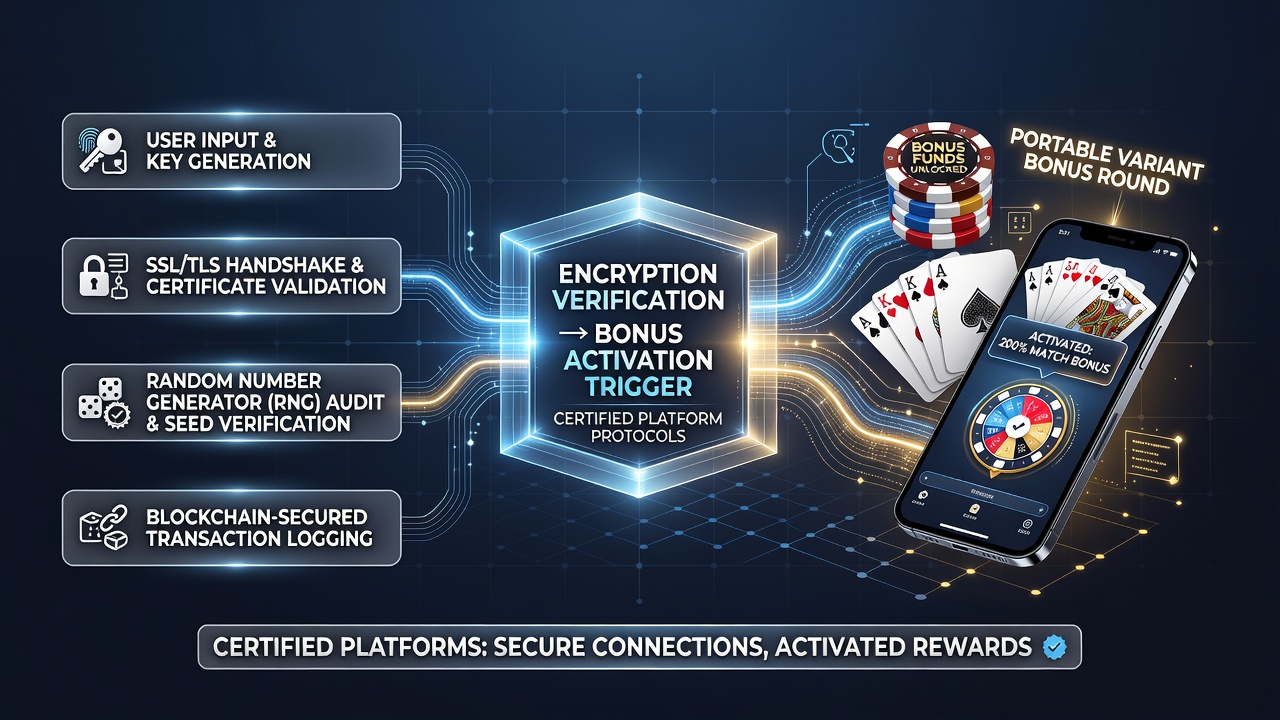
Certified platforms running portable poker variants rely on layered encryption verification steps that confirm data integrity before any bonus activation sequence begins, and these checks occur at multiple points during login, deposit confirmation, and game initialization while operators maintain compliance with regional licensing requirements. Data from regulatory filings shows that TLS 1.3 handshakes combined with certificate pinning reduce unauthorized access attempts by measurable margins across licensed applications, and observers note that these same steps often precede the release of welcome bonuses or reload incentives tied to initial deposits. Research conducted by independent testing labs indicates that platforms must complete asymmetric key validation before triggering sequence codes that unlock bonus credits, which prevents premature activation and maintains audit trails required by oversight bodies.
Bonus Activation Sequences and Their Technical Dependencies
Portable poker variants on certified platforms execute bonus activation sequences through server-side validation routines that cross-reference encrypted transaction logs with user account status, and these routines activate only after successful completion of prior encryption checks that authenticate both the device and the payment channel. Figures released in mid-2026 reveal that operators in multiple jurisdictions recorded higher completion rates for bonus sequences when encryption verification completed within the first three seconds of a session, while delays in certificate renewal correlated with temporary holds on incentive releases. Those who monitor platform performance report that sequence triggers frequently incorporate random number generator outputs that have already passed encryption-wrapped integrity tests, ensuring the bonus award itself remains tamper-resistant throughout the payout process.
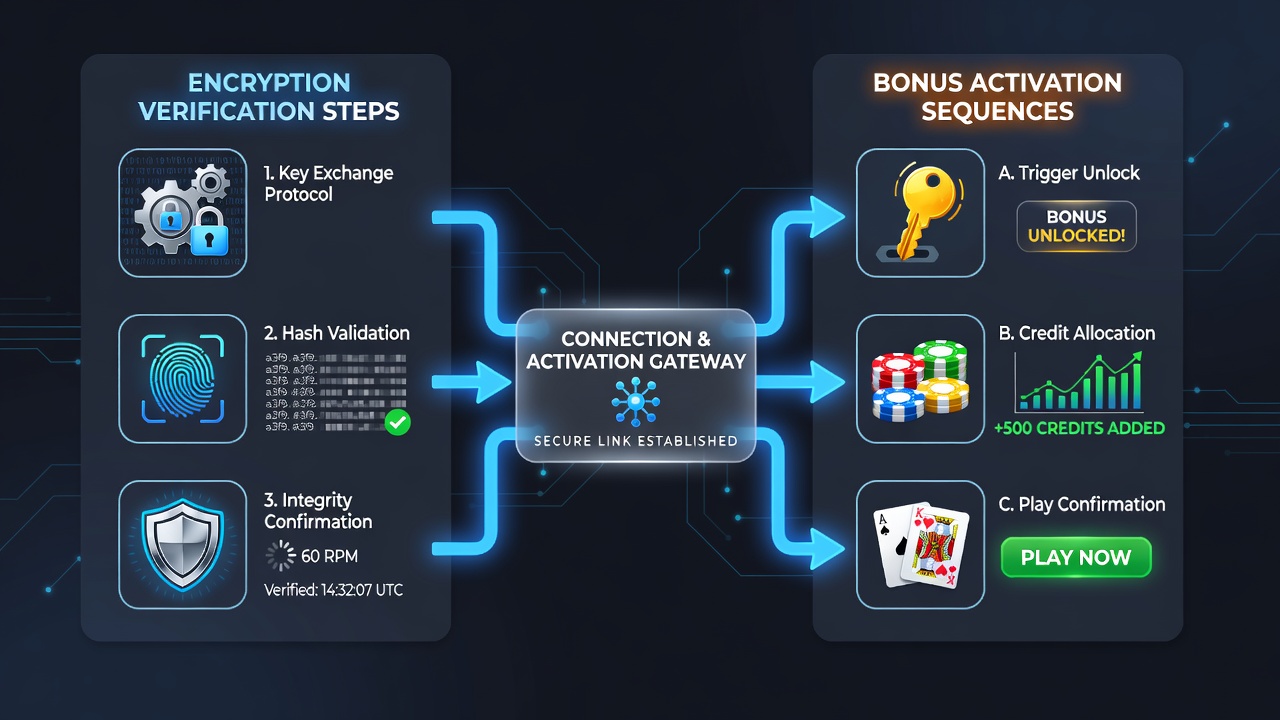
Platforms typically structure activation as a multi-stage workflow beginning with device fingerprinting under encrypted channels, followed by deposit confirmation that carries its own digital signature verification, and concluding with a final token exchange that releases the bonus balance into the poker wallet. Studies from academic gaming research groups show that this workflow reduces instances of duplicate bonus claims because each step builds on cryptographic proof established in the preceding phase.
Regulatory Context and Data Patterns Observed in 2026
According to records maintained by the New Jersey Division of Gaming Enforcement, licensed operators updated encryption standards for mobile applications during the first half of 2026, resulting in documented improvements in the timing and reliability of bonus activation across poker variants. Similar updates appear in reports issued by iGaming Ontario, where regulators noted that platforms incorporating real-time certificate status checks experienced fewer interruptions during bonus sequence execution. These patterns suggest that encryption verification serves as a gatekeeper that directly influences whether a bonus activates without manual intervention or requires additional review.
Integration Points Across Different Poker Variants
Texas Hold'em, Omaha, and short-deck poker applications on certified platforms share common encryption verification checkpoints even though their gameplay mechanics differ, and the bonus activation sequences remain consistent because operators apply the same backend security layer across game types. Observers note that progressive bonus structures, such as those tied to rake contributions, require ongoing encryption validation during each hand to ensure accumulated rewards remain secure until payout. Data patterns collected through August 2026 indicate that platforms using unified verification modules across variants reduced processing errors in bonus releases compared with those maintaining separate modules for each game format.
Device-level encryption checks, including secure enclave usage on mobile hardware, further connect with sequence timing because certified platforms must confirm hardware attestation before authorizing any incentive that affects real-money play. Researchers tracking user sessions found that variants running on platforms with hardware-backed verification completed bonus activations faster on average than those relying solely on software-based methods.
Platform Certification Requirements and Sequence Reliability
Certification standards mandate that encryption verification steps precede bonus activation in order to satisfy fairness and security audits, and operators must demonstrate through third-party testing that sequence triggers cannot bypass these checks under simulated attack conditions. Industry reports compiled by testing agencies show that platforms passing annual recertification maintained higher consistency in bonus delivery metrics throughout 2026. Those reviewing compliance documentation observe that audit logs capturing both encryption events and bonus triggers provide regulators with traceable records that link technical security directly to player incentive management.
Conclusion
Encryption verification steps and bonus activation sequences in portable poker variants operate as interconnected processes on certified platforms, with each encryption checkpoint serving as a prerequisite for sequence execution. Data collected through August 2026 across multiple regulatory jurisdictions demonstrates measurable relationships between verification timing and successful bonus releases, while certification frameworks continue to enforce these linkages to maintain system integrity. Platforms that align their technical security measures with incentive workflows achieve consistent performance in both areas without compromising either requirement.