How Transaction Protocols Shape Live Interaction Choices Across Portable Gaming Setups
Jakob Braun · Jun 6, 2026
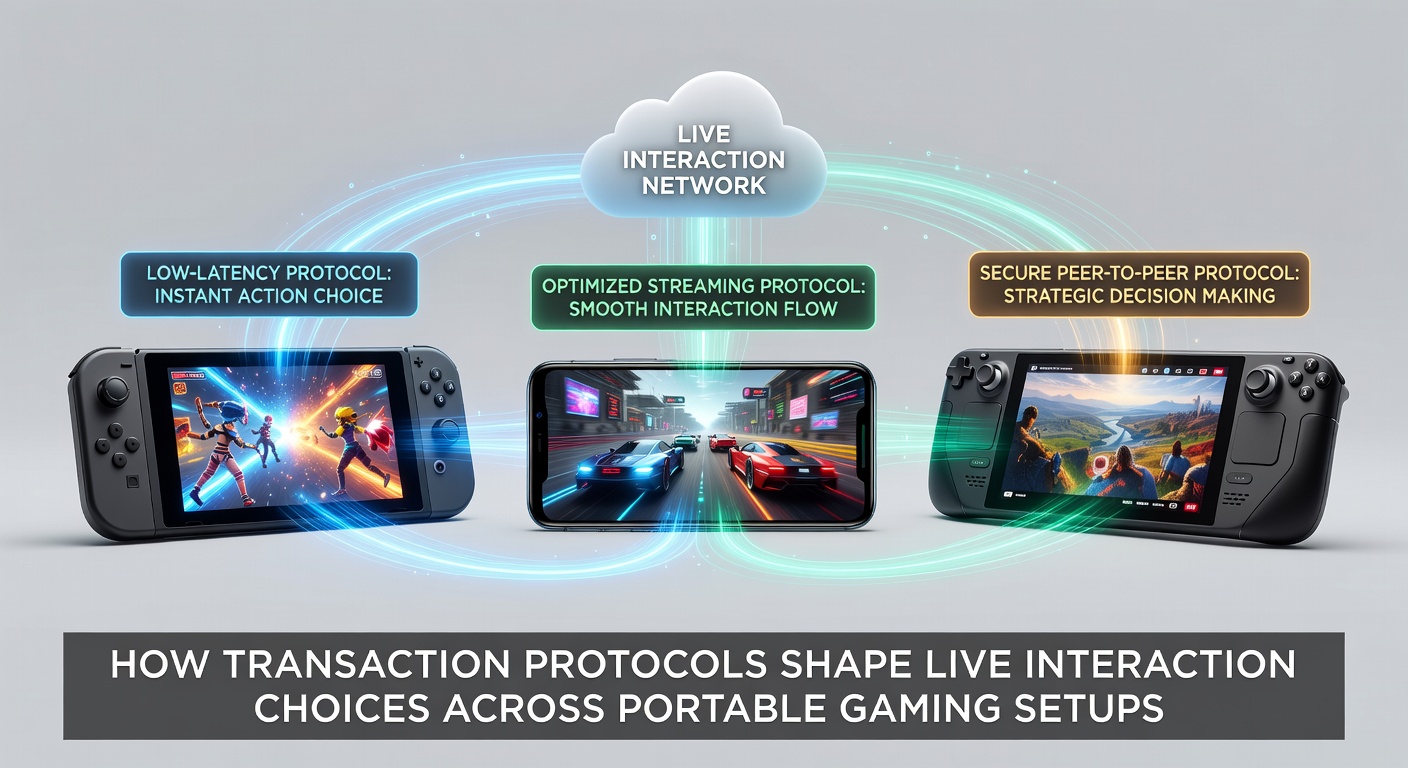
How Transaction Protocols Shape Live Interaction Choices Across Portable Gaming Setups
Transaction protocols determine how payments and data exchanges occur during live sessions on portable devices, and these systems directly influence which interaction features players select in real time. Portable gaming setups encompass smartphones, tablets, and handheld consoles where users engage with live dealer tables, multiplayer environments, and instant-response mechanics. Research from industry monitoring groups shows that protocol attributes such as processing latency, encryption standards, and cross-device compatibility guide user decisions about when to place bets, trigger bonus rounds, or switch between game modes.
Core Components of Transaction Protocols in Mobile Environments
Modern protocols integrate several technical layers that handle authorization, settlement, and verification while a session remains active. Secure socket layers combined with tokenization methods allow continuous data flow without requiring users to pause for separate confirmation steps. Data from portable device analytics platforms indicates that protocols supporting sub-second confirmations see higher selection rates for time-sensitive live interactions compared with those that route through multi-step verification sequences. Compatibility with both cellular networks and wireless connections further shapes these patterns because users often transition between connection types during extended play periods.
Influence on Real-Time Decision Making
Live interaction choices expand or contract based on how quickly a protocol confirms each action. When settlement occurs instantly, participants tend to explore more dynamic options such as side bets or in-play adjustments that would otherwise carry higher perceived risk under slower systems. Observers note that portable setups equipped with protocols featuring built-in fraud detection maintain steadier engagement levels because interruptions drop significantly. In contrast, setups relying on batch processing often record fewer selections for complex live mechanics since users prefer simpler actions that minimize exposure to potential delays.
June 2026 brought new interoperability standards announced by several hardware manufacturers, which aligned portable operating systems more closely with emerging payment rails. These updates reduced friction for cross-protocol transfers and altered how frequently users opted into multi-stage live sequences on tablets and phones. Figures from device telemetry services reveal measurable shifts in menu navigation paths once the standards took effect, particularly in regions where mobile data infrastructure supports consistent high-speed connections.
Security Features and User Selection Patterns
Encryption strength and authentication methods embedded in transaction protocols affect which live features players activate. Protocols that employ multi-factor checks without extending session times attract selections for high-stakes interactions, whereas lighter verification flows correlate with increased use of casual or practice modes. Studies conducted by academic research centers across North America and Europe demonstrate that perceived security directly correlates with willingness to engage in extended live exchanges on portable hardware. Users frequently migrate toward setups where protocols automatically manage compliance requirements in the background, freeing attention for gameplay decisions rather than administrative tasks.
Regional regulatory frameworks also steer protocol adoption. Agencies in Australia and Canada have published guidelines that encourage portable gaming providers to implement auditable transaction trails, and these requirements influence which interaction sets become available to end users. Providers adjust live feature offerings accordingly, resulting in different menus of choices depending on the jurisdiction where the device connects.
Compatibility Across Device Ecosystems
Portable gaming spans multiple operating systems and hardware generations, so transaction protocols must maintain consistent performance across varied configurations. Protocols optimized for newer chipsets enable smoother integration with live streaming components, which in turn supports richer interaction layers such as simultaneous chat functions and real-time statistics overlays. Older devices, however, often default to streamlined protocol variants that limit certain live options to maintain stability. Industry reports compiled by trade associations document these disparities and show how protocol updates gradually expand feature access as hardware refreshes occur.
Payment rail diversity adds another variable. Systems supporting both traditional card networks and alternative digital currencies allow users to select interaction styles aligned with their preferred funding methods. When a protocol accommodates instant currency conversion, live environments record broader participation in events that require rapid fund movement between accounts.
Conclusion
Transaction protocols establish the operational boundaries within which live interaction choices unfold on portable gaming setups. Their technical specifications determine speed, security posture, and cross-device reliability, each of which steers user selections during active sessions. As standards evolve and regulatory environments adjust, the range of available live mechanics continues to reflect the underlying capabilities of these protocols. Data collected through 2026 illustrates ongoing adaptation across device ecosystems and geographic markets.