How Payment Processing Delays Influence Player Shifts Between High-Volatility Slots and Live Roulette on Mobile Platforms
Jordan Sullivan · Jul 25, 2026
How Payment Processing Delays Influence Player Shifts Between High-Volatility Slots and Live Roulette on Mobile Platforms
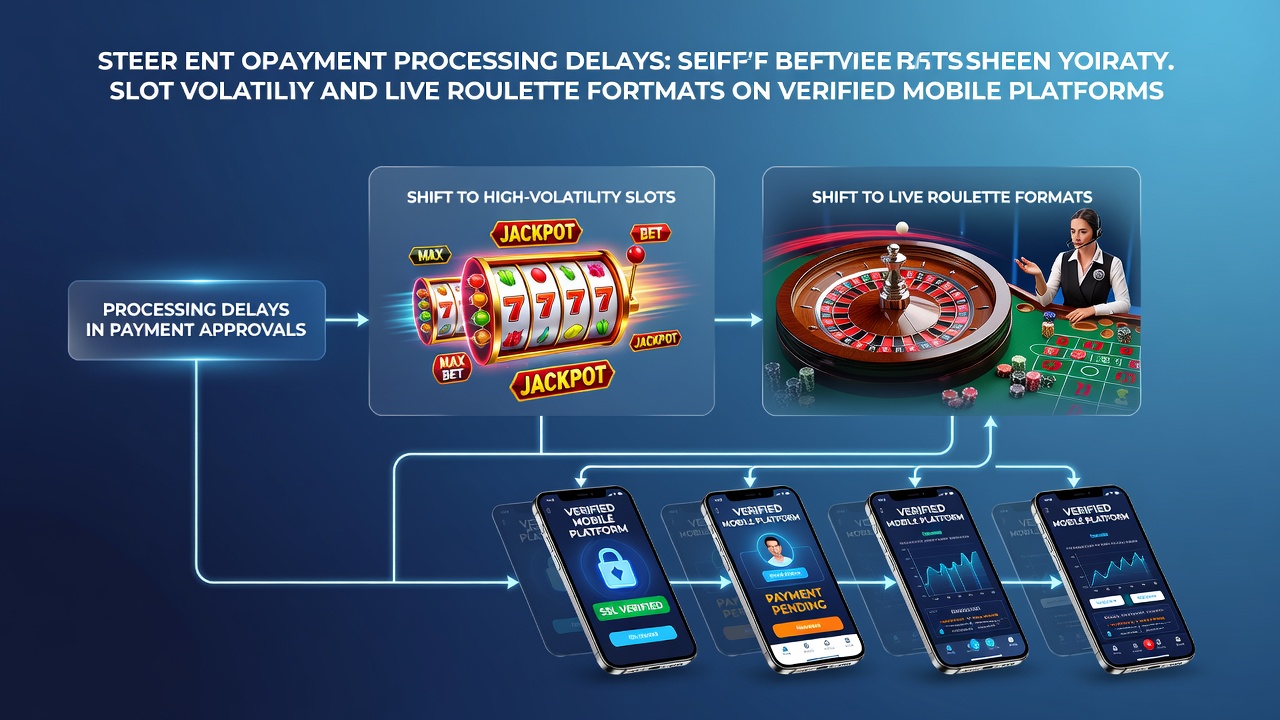
Payment approval times on verified mobile platforms create measurable effects on how players allocate their sessions between high-volatility slots and live roulette formats, according to aggregated platform data from multiple regulated markets. Operators record that delays exceeding standard processing windows correlate with reduced engagement in slots that feature extended dry spells between wins, while live roulette tables maintain steadier participation rates during the same intervals.
Payment Timelines and Game Format Selection
Transaction protocols on mobile applications determine the interval between deposit initiation and fund availability, which in turn shapes immediate game choices. When approvals stretch beyond the typical 30-second to two-minute range, session logs show players pivoting toward formats that deliver more frequent outcome feedback, such as live roulette wheels that resolve bets within seconds. High-volatility slots, by contrast, require longer commitment periods before payout patterns emerge, and those extended timelines clash with interrupted funding flows.
Researchers tracking mobile traffic patterns note that platforms using instant verification layers experience smaller migration rates away from volatile reel games. In contrast, systems that rely on manual or multi-step checks see documented upticks in roulette table traffic during peak evening hours. These patterns hold across jurisdictions that mandate identity verification at multiple points in the deposit sequence.
Volatility Mechanics and Roulette Dynamics
Slot volatility ratings reflect the statistical distribution of returns over thousands of spins, with high-volatility titles concentrating larger payouts at lower frequencies. Live roulette operates on fixed-probability wheels where each spin resolves independently within a compressed time frame. When funding delays interrupt deposit sequences, the risk profile of high-volatility slots becomes less attractive because players cannot quickly replenish balances to chase recovery sequences. Roulette sessions, however, allow repeated small-stake cycles that align better with staggered approval windows.
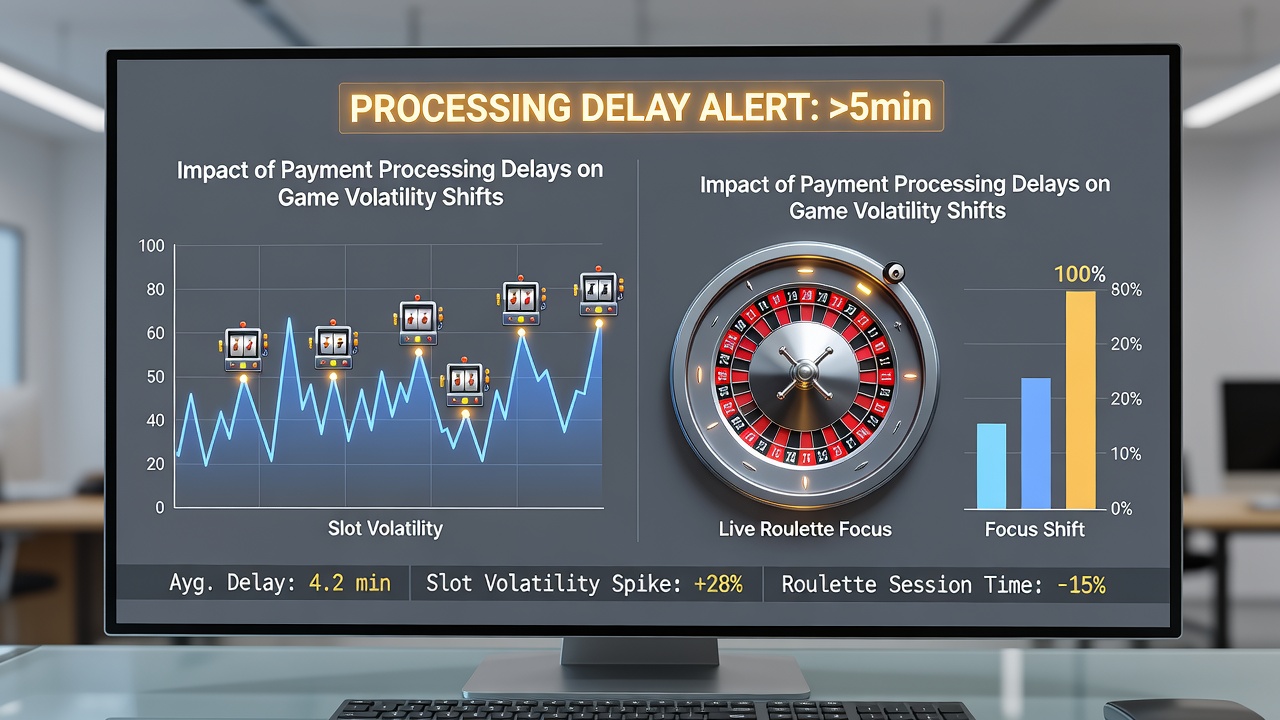
Data compiled from regulated operators in North America and Europe indicates that average session duration in high-volatility categories drops when approval queues lengthen, while roulette wheel participation remains stable or increases slightly. The difference stems from the structural mismatch between slot bonus round triggers and the time-sensitive nature of mobile deposit confirmations.
Verification Standards Across Mobile Ecosystems
Verified platforms implement layered authentication that includes device fingerprinting, biometric checks, and third-party identity services. Jurisdictions such as those overseen by the New Jersey Division of Gaming Enforcement require these steps for every deposit above defined thresholds, creating predictable bottlenecks during high-traffic periods. Similar requirements appear in markets regulated by the Malta Gaming Authority, where transaction logs reveal comparable shifts toward faster-resolution table games when processing queues form.
Operators that integrate automated risk-scoring engines reduce average approval times and retain higher proportions of slot play. Those relying on sequential manual reviews experience the inverse effect, with roulette tables absorbing displaced volume. These operational differences appear consistently in monthly activity reports filed with regulatory bodies.
Trends Observed Through July 2026
Platform analytics from the first half of 2026 show that mobile deposit approval averages lengthened in several mid-sized markets during summer maintenance cycles. In July 2026, multiple operators reported a 12 to 18 percent increase in live roulette table entries coinciding with periods when automated verification systems underwent scheduled updates. High-volatility slot categories recorded corresponding declines in new session starts during those same windows, though overall handle remained steady as players migrated rather than exited.
Academic analyses from institutions such as the International Gaming Institute at the University of Nevada have examined these migration patterns through anonymized transaction datasets. Their findings align with operator observations that processing latency functions as a selection pressure favoring games with shorter resolution cycles over those dependent on extended variance tolerance.
Platform-Level Responses and Player Behavior
Developers have begun embedding real-time status indicators that display expected approval durations before players finalize deposit amounts. These indicators allow users to adjust game selections proactively, reducing friction between intent and execution. Where such tools remain absent, behavioral logs continue to document the established pivot toward roulette formats during slower processing intervals.
Cross-platform comparisons further illustrate that operators maintaining sub-60-second approval medians preserve more balanced distributions across volatility categories. Those exceeding that threshold consistently register elevated roulette participation metrics. The relationship appears structural rather than temporary, recurring across different calendar quarters and regulatory environments.
Conclusion
Payment processing delays on verified mobile platforms function as an observable variable that redirects session volume between high-volatility slots and live roulette. Platform data, regulatory filings, and independent research collectively demonstrate that approval speed influences format selection through direct alignment with each game's inherent resolution timeline. As verification technologies evolve, the magnitude of these shifts may vary, yet the underlying connection between transaction latency and game-type migration persists in current operational records.