How Evolving Compliance Frameworks Reshape Provider Strategies in Virtual Gaming Ecosystems
Hugo Frank · Jul 6, 2026
How Evolving Compliance Frameworks Reshape Provider Strategies in Virtual Gaming Ecosystems
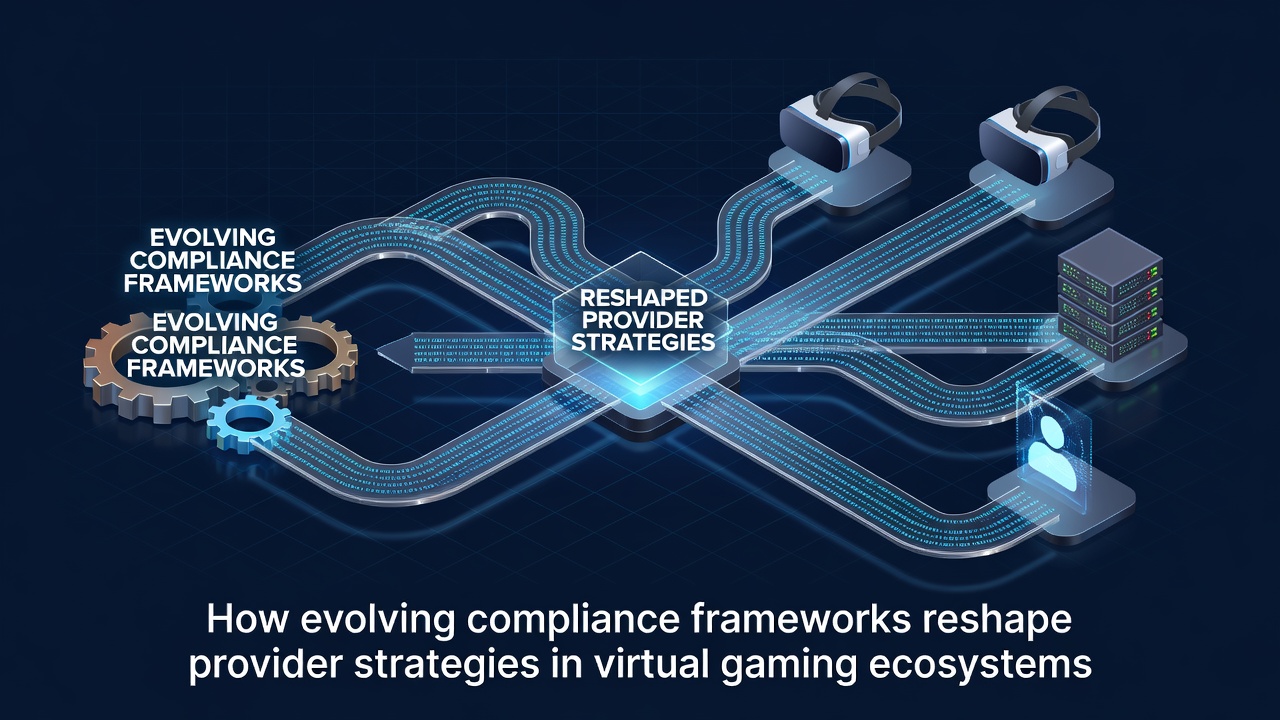
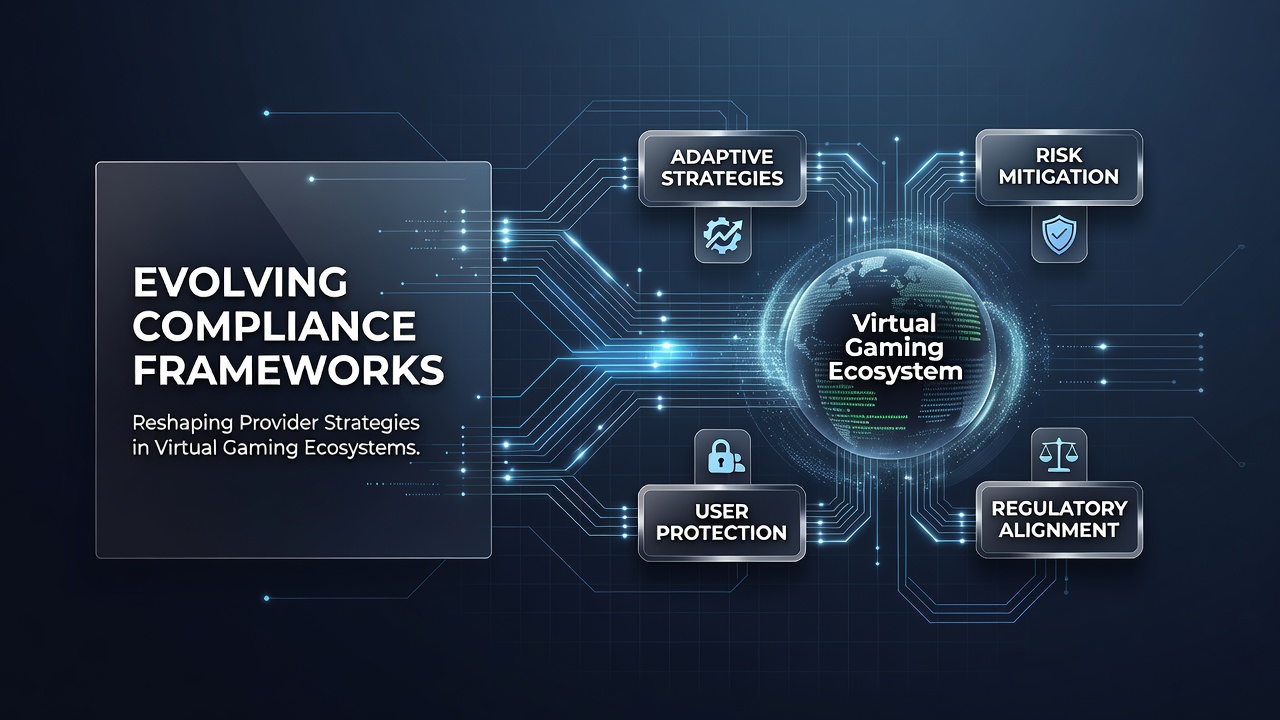
Virtual gaming ecosystems continue to expand as operators integrate new technologies and enter regulated markets around the world, yet shifting compliance requirements force providers to adjust their operational models and technology investments on an ongoing basis. Regulatory bodies in multiple jurisdictions have introduced updated standards that address data protection, transaction monitoring, and responsible gaming protocols, which in turn influence how companies structure their platforms and partnerships.
Key Changes in Global Compliance Standards
Regulatory authorities across North America and Europe have released revised guidelines that emphasize real-time reporting and enhanced identity verification processes. In July 2026, several Canadian provincial regulators updated their licensing criteria to require integrated audit trails for all user transactions, prompting providers to upgrade backend systems rather than relying on third-party add-ons. These adjustments connect directly to broader efforts aimed at reducing unauthorized access while maintaining seamless user experiences across virtual environments.
European frameworks have similarly evolved with the implementation of cross-border data sharing mandates that align with digital service directives. Providers operating in multiple regions now coordinate their compliance teams to handle overlapping requirements, which often leads to centralized data centers equipped with automated monitoring tools. Research from industry associations shows that such coordination reduces administrative duplication by up to 30 percent when companies standardize their reporting formats early in the development cycle.
Strategic Technology Adaptations
Providers respond to these frameworks by prioritizing modular software architectures that allow quick updates when new rules emerge. This approach replaces older monolithic systems that required lengthy redevelopment cycles each time regulations changed. Companies have documented shorter deployment times for compliance patches after switching to microservices models, enabling them to maintain platform availability without extended downtime.
Artificial intelligence tools now play a central role in transaction screening and risk assessment. Algorithms analyze user behavior patterns against historical data sets to flag potential issues before they escalate, which aligns with requirements from bodies such as the Alcohol and Gaming Commission of Ontario. AGCO compliance resources detail how these automated systems must undergo periodic validation to ensure accuracy across diverse gaming formats including virtual reality environments and esports platforms.
Market Entry and Partnership Adjustments
Virtual gaming providers reevaluate their expansion plans based on the pace of regulatory approvals in target jurisdictions. Markets with streamlined certification processes attract more rapid investment, whereas regions requiring extensive documentation see delayed launches or modified product offerings. Data from licensing authorities indicate that approval timelines averaged four to six months longer in 2025 compared with earlier periods, pushing companies to build dedicated compliance units rather than outsourcing these functions entirely.
Partnership strategies have shifted toward collaborations with established technology vendors who already maintain certified solutions. This reduces the burden on individual operators while ensuring interoperability across different regulatory environments. Observers note that joint ventures between platform developers and payment processors have increased notably since early 2026, driven by shared responsibility clauses that distribute liability according to each party's contribution to the compliance stack.
Operational and Resource Allocation Impacts
Budget allocations within provider organizations reflect the growing emphasis on compliance infrastructure. Annual reports from major gaming technology firms reveal that expenditures on regulatory technology now account for 15 to 20 percent of total development costs, up from previous levels around 8 percent. These investments support staff training programs and continuous monitoring platforms that operate around the clock to meet reporting deadlines.
Workforce composition changes accompany these shifts, with increased hiring of specialists in data privacy and legal technology. Companies recruit professionals who understand both gaming mechanics and regulatory language, creating hybrid roles that bridge technical and legal teams. Training initiatives often include scenario-based simulations that replicate audit procedures from different jurisdictions, preparing teams to handle inquiries efficiently when they arise.
Conclusion
Evolving compliance frameworks continue to drive measurable changes in how virtual gaming providers design their systems, allocate resources, and pursue market opportunities. As standards develop across regions, companies that integrate flexible technologies and maintain proactive monitoring capabilities position themselves to meet requirements without disrupting core operations. Ongoing collaboration between regulators and industry participants supports these adaptations by clarifying expectations and facilitating smoother implementation of new rules.