Evolving User Habits with Transaction Methods Across App-Based Entertainment Options in Regulated Markets
Felix Keller · Jun 22, 2026
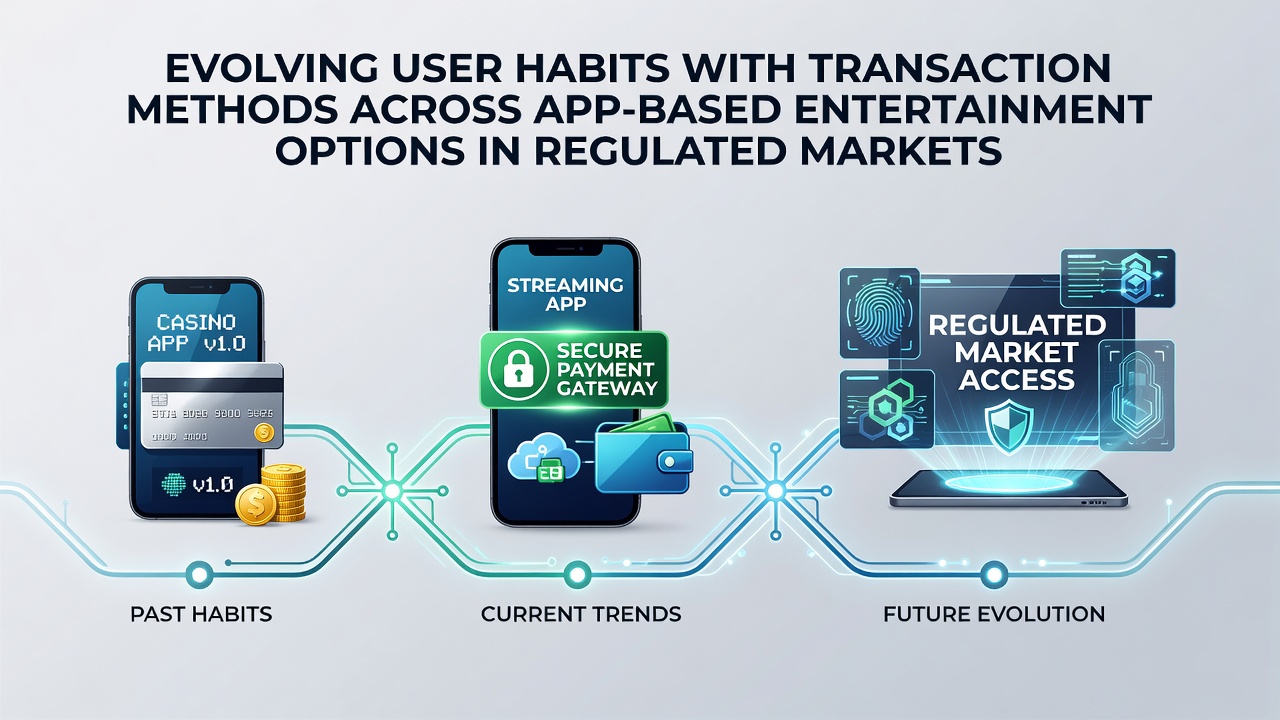
Evolving User Habits with Transaction Methods Across App-Based Entertainment Options in Regulated Markets
Transaction methods in app-based entertainment continue to shift as users adapt to new tools and platforms across regulated jurisdictions, with data from state agencies indicating steady growth in digital wallet adoption since early 2025. Mobile applications for gaming, streaming, and interactive experiences now integrate payment systems that prioritize speed and compliance, leading observers to track how these changes influence daily user routines in places like New Jersey and Ontario.
Regulators in multiple regions report that instant transfer options have gained traction, with figures from the New Jersey Division of Gaming Enforcement showing a 28 percent rise in e-wallet transactions through licensed apps during the first quarter of 2026. Users often combine these methods with traditional bank links, creating hybrid approaches that balance convenience with verification requirements imposed by local rules.
Patterns Emerging in Mobile Payment Selection
App developers have noted consistent preferences for methods that complete within seconds, while slower options like certain card processors see reduced volume in high-traffic entertainment categories. Research compiled by industry groups reveals that younger demographics lean toward stored-value accounts, whereas broader age groups maintain mixed usage depending on transaction size and platform type. These habits appear tied to regulatory frameworks that mandate clear audit trails, prompting platforms to streamline interfaces accordingly.
What's interesting is how deposit speed variations align with content choices, as users select faster methods for live events or time-sensitive features within apps. Data collected through June 2026 indicates that regulated markets in the northeastern United States record higher percentages of recurring small transfers compared with one-time larger payments common in less restricted environments.
Regulatory Influence on Available Options
State and provincial oversight shapes which transaction tools reach users, requiring verification layers that filter out non-compliant providers. In Ontario, for instance, iGaming operators must route all activity through approved channels, a requirement that has accelerated integration of local banking partners since 2024. Similar standards in other jurisdictions encourage platforms to highlight compliant methods prominently, guiding user selections without restricting overall access.
Observers note that certification timelines for new payment features can delay rollout, yet once approved these additions often correlate with measurable upticks in session frequency. Reports from the Nevada Gaming Control Board document parallel trends, where approved digital options expanded steadily through spring 2026 alongside updates to entertainment app libraries.
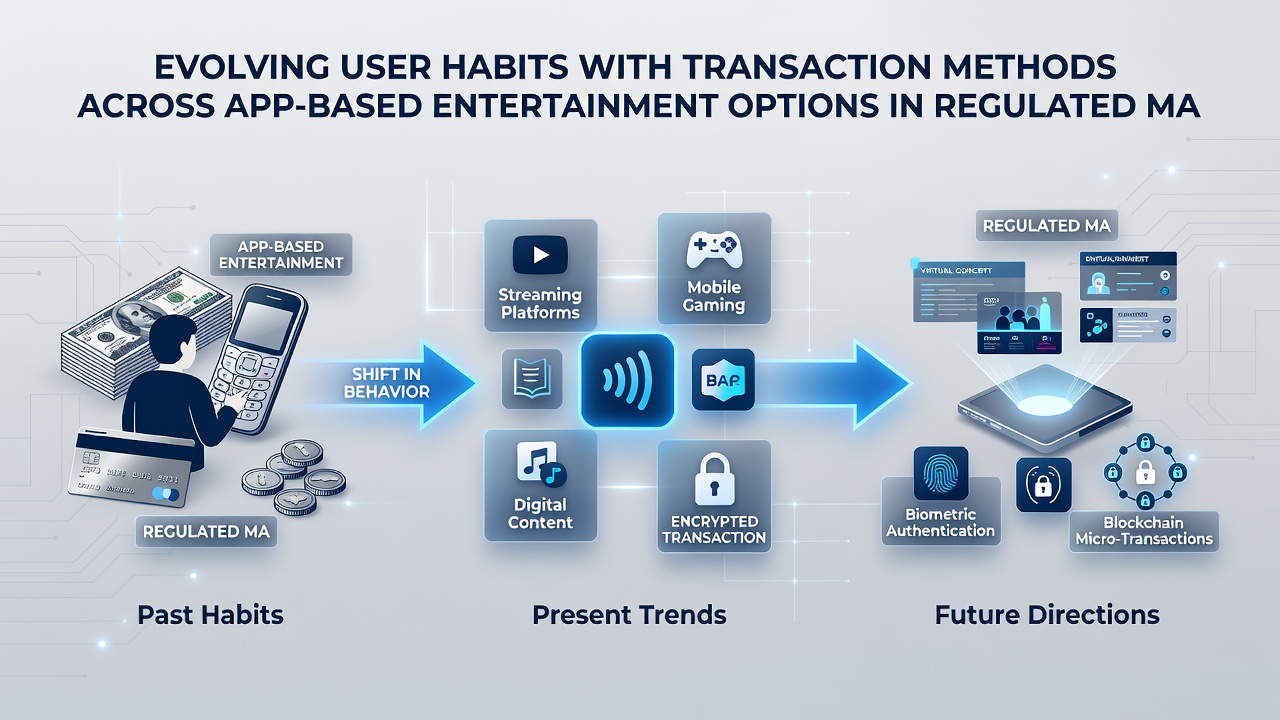
Regional Comparisons and Data Trends
Comparisons across borders highlight differences in habit formation. Markets with mature regulatory structures tend to show stabilized preferences for a core set of methods, while newer jurisdictions experience more experimentation as operators test approved alternatives. A study released by the University of Las Vegas Center for Gaming Research in May 2026 tracked these variations, finding that seamless integration with existing mobile banking apps drives repeat engagement more reliably than promotional incentives alone.
Payment reliability also factors into format preferences, with live interaction features showing stronger retention when paired with instant confirmation tools. Figures released by the Australian Communications and Media Authority through mid-2026 support this pattern, indicating that regulated app ecosystems maintain steady transaction volumes when users encounter fewer friction points during checkout sequences.
Future Trajectories Based on Current Indicators
Industry tracking through June 2026 points to continued expansion of contactless and biometric-linked options within entertainment apps, driven by hardware advancements already present in most consumer devices. These developments align with ongoing regulatory updates that emphasize consumer protection while permitting innovation within defined boundaries. Platforms respond by refining user flows, incorporating feedback loops that surface popular methods more prominently over time.
Evidence suggests sustained growth in cross-platform compatibility, allowing users to maintain consistent habits whether accessing content on phones or tablets. This consistency reduces barriers in regulated markets where verification steps remain mandatory across all channels.
Conclusion
Transaction method evolution in app-based entertainment reflects the interplay between user adaptation and regulatory structure, with measurable shifts documented across multiple jurisdictions through mid-2026. Data from government agencies and academic sources continues to map these changes, providing clear indicators of how preferences stabilize under compliance requirements. As platforms incorporate approved tools, user routines adjust accordingly, creating patterns that researchers can follow in subsequent reporting periods.