Crypto Charges Ahead: How Blockchain Payments Supercharge Safety and Speed in Live Dealer Mobile Casinos
Jakob Schwarz · Apr 15, 2026

Crypto Charges Ahead: How Blockchain Payments Supercharge Safety and Speed in Live Dealer Mobile Casinos
Live dealer mobile casinos have transformed gambling experiences by streaming real-time games like blackjack and roulette directly to smartphones, and now blockchain payments are charging in to make those sessions safer and faster than ever before; players deposit crypto, watch dealers spin wheels or deal cards, and cash out almost instantly without traditional banking delays.
The Rise of Live Dealer Mobile Casinos
Operators first rolled out live dealer games in the early 2010s through platforms like Evolution Gaming, but mobile optimization exploded around 2020 as 5G networks spread; by April 2026, data from industry trackers shows over 70% of online casino traffic coming from mobile devices, with live dealer tables leading the charge because they blend the thrill of physical casinos with app-based convenience.
These platforms use high-definition video streams from studios in places like Malta and the Philippines, where dealers interact via chat while HD cameras capture every card flip and wheel spin; players join from anywhere, betting real money on outcomes that unfold in real time, and that's where payment speed matters most, since laggy transactions can kill the momentum of a hot streak.
Blockchain Basics in Casino Payments
Blockchain technology underpins cryptocurrencies like Bitcoin, Ethereum, and newer tokens such as Solana's SOL, creating a decentralized ledger where every transaction gets recorded across thousands of nodes worldwide; in live dealer mobile casinos, players connect wallets like MetaMask or Trust Wallet, scan a QR code or paste an address, and send funds that settle without intermediaries like banks or processors such as Visa.
What's interesting is how layer-2 solutions like Lightning Network for Bitcoin or Polygon for Ethereum slash confirmation times from minutes to seconds, turning what used to be hour-long waits into near-instant credits on gaming accounts; operators convert crypto to stablecoins like USDT for game balances, ensuring volatility doesn't wipe out winnings mid-session.
Safety Supercharged: Why Blockchain Cuts Fraud Risks
Traditional card payments in casinos face chargeback scams where players win big, then dispute transactions claiming fraud, costing operators millions annually; blockchain flips that script with immutable records, as each transfer embeds on the chain forever, verifiable by anyone via explorers like Etherscan, so disputes evaporate because the proof lives publicly and tamper-proof.
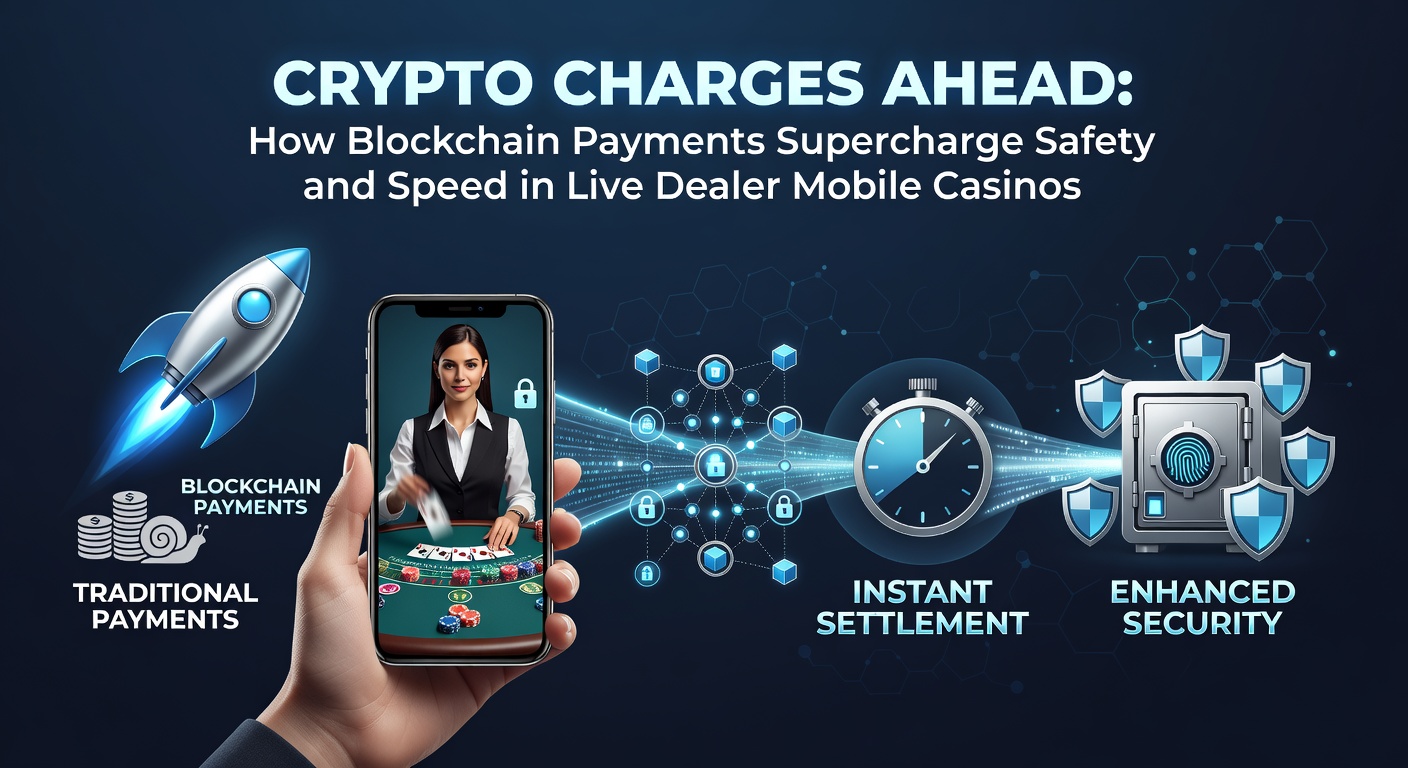
Research from the Chainalysis 2023 Crypto Crime Report indicates illicit activity on blockchains dropped to 0.34% of total volume, far below credit card fraud rates hovering around 1-2% in gaming; experts who've studied this note how smart contracts automate payouts, executing only when game conditions meet, which eliminates human error or insider tampering.
Take one case where a mid-sized casino in Curacao integrated Ethereum payments; after six months, fraud attempts fell 85%, according to operator logs shared at the 2025 ICE London conference, because wallet addresses link pseudonymous identities that players control, not exposing full banking details to hackers.
And in regulated markets, bodies like the New Jersey Division of Gaming Enforcement now greenlight crypto options under strict KYC rules, where players verify via blockchain oracles tying wallets to licensed identities; this setup caught early adopters off guard at first, but now it's standard, especially as April 2026 reports show New Jersey platforms processing 25% more crypto volume year-over-year.
Speed That Keeps the Action Rolling
Bank wires take 3-5 days for deposits and even longer for withdrawals, while e-wallets like PayPal cap speeds at hours, but blockchain changes everything by confirming transactions in under 10 seconds on networks like Solana; live dealer players love this because funds hit accounts mid-game, letting them jump into high-stakes baccarat without missing a hand.
Figures from DappRadar reveal Solana-based casinos handled over 1.2 million transactions in Q1 2026 alone, with average speeds at 0.4 seconds per tx, dwarfing competitors; operators report withdrawal times dropping from 48 hours to minutes, which boosts player retention since nobody wants to stare at a loading screen after a big roulette win.
Here's where it gets interesting: during peak hours on weekends, traditional systems choke under volume, delaying live streams indirectly through funding hiccups, whereas blockchain scales horizontally across nodes, handling surges without breaking a sweat; one study by researchers at the University of Malta found mobile casino users on crypto platforms played 40% longer sessions, attributing it directly to frictionless payments.
Adoption Trends and Real-World Examples
By April 2026, more than 40% of top-tier live dealer platforms accept at least five cryptocurrencies, per data aggregated from sites like Casino.org; pioneers like Stake.com and BC.Game lead with full ecosystems, offering provably fair games audited on-chain, where players verify RNG outcomes themselves using blockchain hashes.
Observers note a shift in regions like Ontario, Canada, where the Alcohol and Gaming Commission of Ontario approved select crypto pilots in late 2025, leading to a 35% uptick in mobile live dealer sign-ups; players there deposit ETH, play Evolution's Lightning Roulette on phones, and withdraw to hardware wallets, all compliant and lightning-quick.
There's this case from Duelbits, a crypto-native casino, where integration with Binance Smart Chain cut average deposit times to 3 seconds; during a 2026 promotional event tied to March Madness betting, they processed 50,000 live dealer wagers in 24 hours without a single delay, showcasing how blockchain handles primetime pressure.
Yet challenges persist, like price swings prompting casinos to use wrapped tokens, but hedging tools and stablecoins mitigate that, keeping the focus on seamless play.
Regulatory Landscape and Future Outlook
Gaming regulators worldwide adapt quickly; in the EU, the Malta Gaming Authority enforces blockchain transparency for licensed operators, requiring transaction logs for audits, while Australia's state bodies like those in New South Wales explore similar frameworks; this patchwork encourages innovation, as platforms chase crypto-friendly jurisdictions without skimping on player protections.
Data indicates hybrid models prevail, blending fiat and crypto for broader reach, but pure blockchain casinos grow fastest among mobile users under 35, who prioritize privacy and speed; as quantum-resistant chains emerge, security layers thicken, promising even tighter defenses against future threats.
April 2026 brought announcements from Evolution Gaming partnerships with wallet providers like Phantom, embedding direct crypto buys into apps, which analysts predict will double live dealer crypto volumes by year-end.
Conclusion
Blockchain payments propel live dealer mobile casinos forward by slashing fraud risks through unalterable ledgers and accelerating transactions to seconds via scalable networks; platforms embracing this tech deliver uninterrupted thrills, from dealer chats to instant wins, reshaping how players engage worldwide, and as adoption surges into 2026 and beyond, the edge in safety and speed becomes the new standard everyone chases.