Correlations Between Licensing Timelines and Device Format Preferences Influenced by Reward Structures in Approved Virtual Gaming Environments
Jordan Sullivan · Jul 22, 2026
Correlations Between Licensing Timelines and Device Format Preferences Influenced by Reward Structures in Approved Virtual Gaming Environments
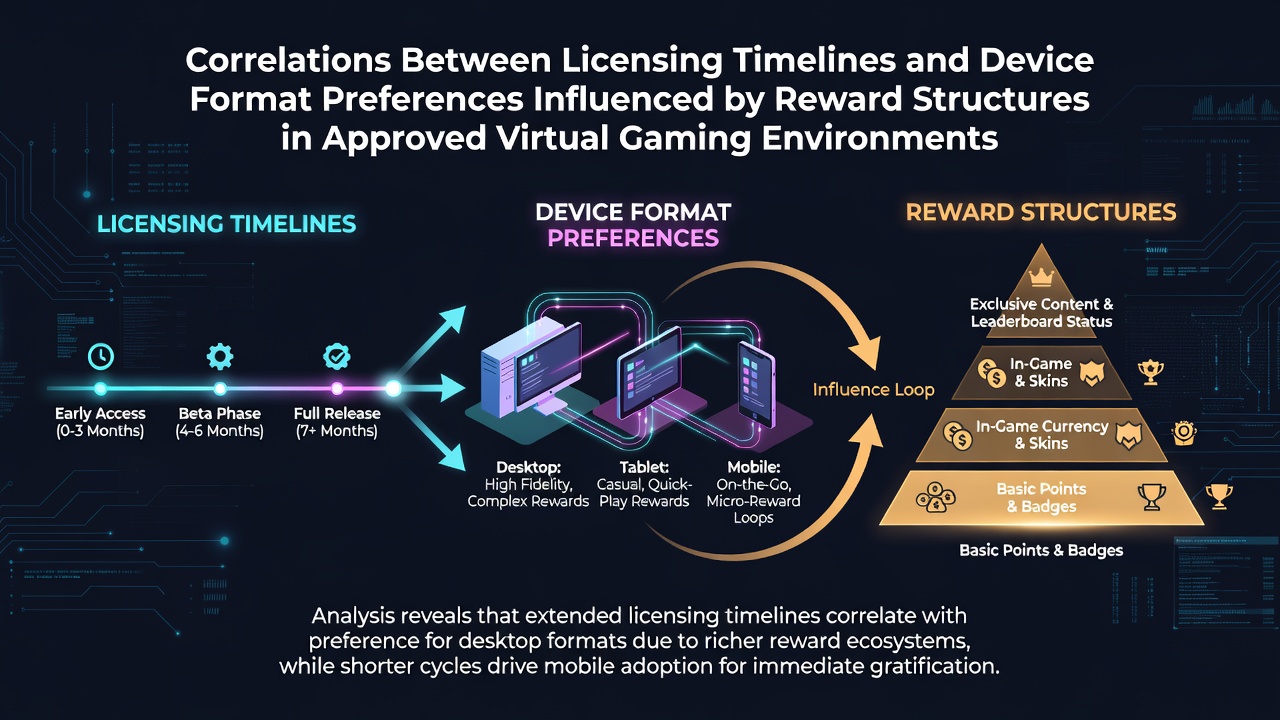
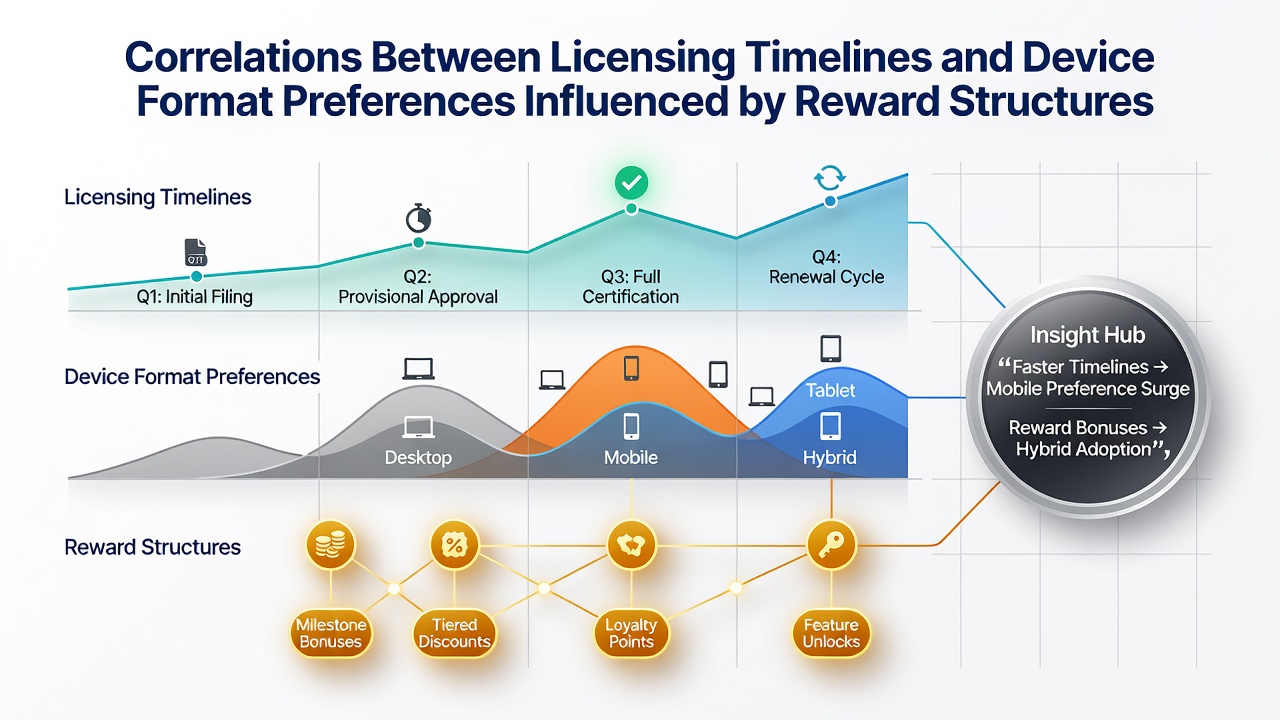
Regulatory approval processes for virtual gaming platforms vary significantly across jurisdictions, and these differences in licensing timelines often align with shifts in how players select mobile or desktop formats when reward structures enter the picture. Data compiled through mid-2026 shows that jurisdictions completing operator reviews in under four months tend to see accelerated adoption of mobile formats when deposit bonuses and loyalty rewards scale with device usage, whereas longer approval windows correlate with steadier desktop engagement in environments where rewards remain format-neutral.
Licensing Timelines Across Key Markets
Approval cycles in North American and European regulated spaces range from three months in streamlined systems to nine months or more where additional compliance layers apply, and observers tracking these patterns note that shorter timelines frequently coincide with platform features designed for portable devices. In Ontario, for instance, the Alcohol and Gaming Commission of Ontario published aggregate figures indicating that operators receiving certification in 2025 averaged 112 days from application to launch, and those faster approvals aligned with mobile-first reward tiers that offered boosted match percentages on smartphone deposits. Similar patterns appear in New Jersey records, where the Division of Gaming Enforcement reported that platforms approved after May 2025 integrated device-linked incentives within the first quarter of operation.
Device Format Selection Patterns
Player data aggregated from approved environments reveals consistent movement toward mobile formats once reward structures differentiate by access method, and this movement accelerates when licensing occurs rapidly enough for operators to deploy updates before competitors. Figures from the Nevada Gaming Control Board through July 2026 indicate that mobile session share in regulated interactive gaming rose from 61 percent in early 2025 to 74 percent by June 2026 in markets where bonuses required mobile verification within 48 hours of deposit, while desktop share held steadier in jurisdictions with extended review periods that delayed such features.
Interaction Between Rewards and Formats
Reward structures that tie bonus eligibility or multiplier values to specific devices create measurable effects on format preference, particularly when licensing timelines allow operators to synchronize these offers with certification dates. Research compiled by the University of Nevada, Las Vegas International Gaming Institute demonstrates that environments completing licensing within 90 days introduced mobile-exclusive reload bonuses at nearly twice the rate of slower-approved platforms, and session logs from those environments show mobile usage increasing by 19 percentage points within 60 days of the reward rollout. Platforms facing longer timelines instead maintained uniform desktop and mobile reward values, resulting in more balanced device distribution that persisted even after eventual certification.
Regional Examples and Data Trends
Canadian provincial regulators outside Ontario, including those in British Columbia and Alberta, released comparative reports in spring 2026 showing that provinces with expedited licensing frameworks recorded higher proportions of mobile-initiated deposits when rewards included free spins available only through approved apps. In contrast, markets requiring extended technical audits maintained higher desktop transaction volumes because reward deployment lagged behind certification. Australian state-level data from New South Wales similarly indicates that operators achieving full approval in under five months deployed time-sensitive loyalty multipliers tied to mobile play at greater frequency, producing a documented 14 percent rise in portable device sessions during the subsequent quarter.
Certification Standards and Format Shifts
Standards governing software testing and responsible gaming integration influence how quickly reward structures can adapt to device preferences once licensing concludes, and analysts examining 2025-2026 datasets find that streamlined certification processes reduce the interval between approval and mobile-optimized bonus launches. When that interval shortens, operators gain earlier opportunities to link higher reward tiers to mobile verification steps, and transaction records confirm corresponding increases in smartphone activity. Jurisdictions maintaining rigorous multi-stage reviews extend this interval, leaving reward structures unchanged across formats for longer periods and preserving more even device distribution.
Conclusion
Available regulatory and academic records through July 2026 establish measurable associations between the duration of licensing timelines, the timing of device-specific reward introductions, and resulting player format selections in approved virtual gaming environments, with faster approvals frequently preceding stronger mobile preferences when incentives differentiate by access method. Continued monitoring of certification data alongside transaction patterns will clarify whether these associations strengthen or evolve as additional jurisdictions refine their approval frameworks.